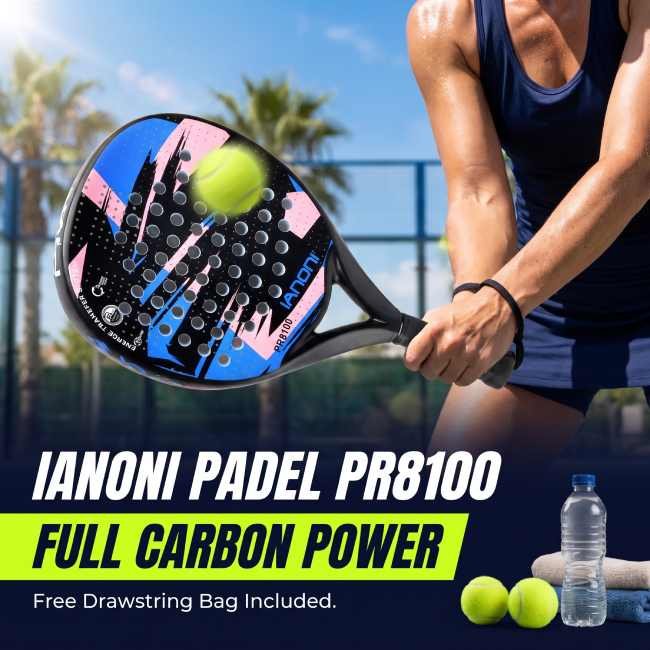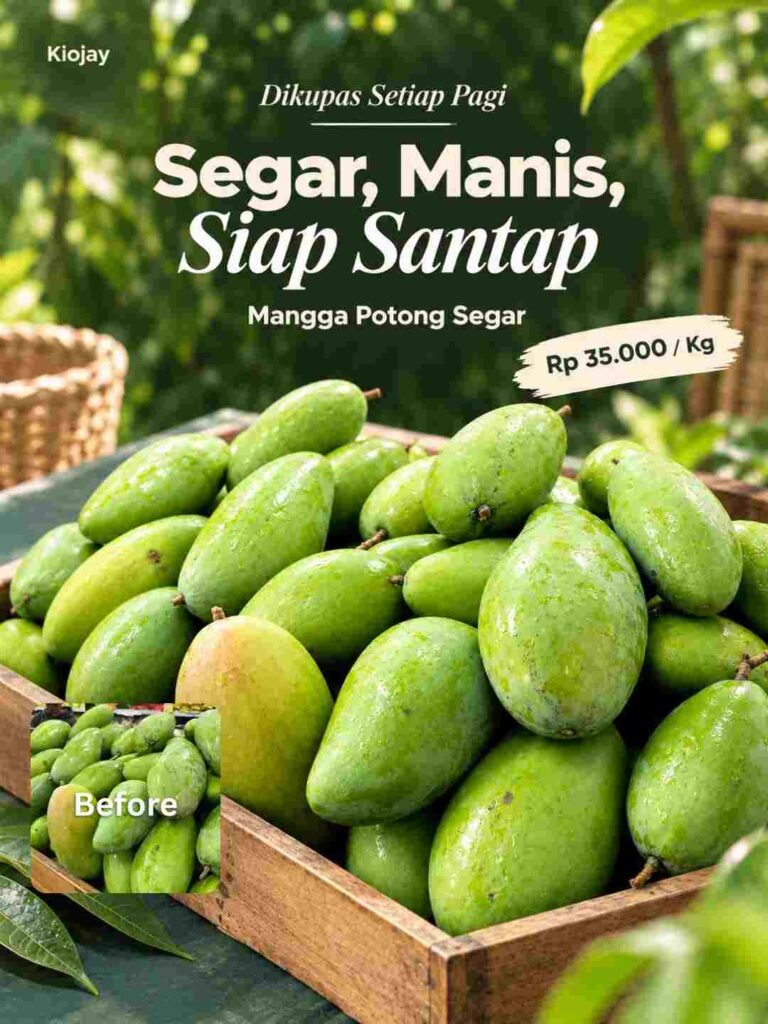


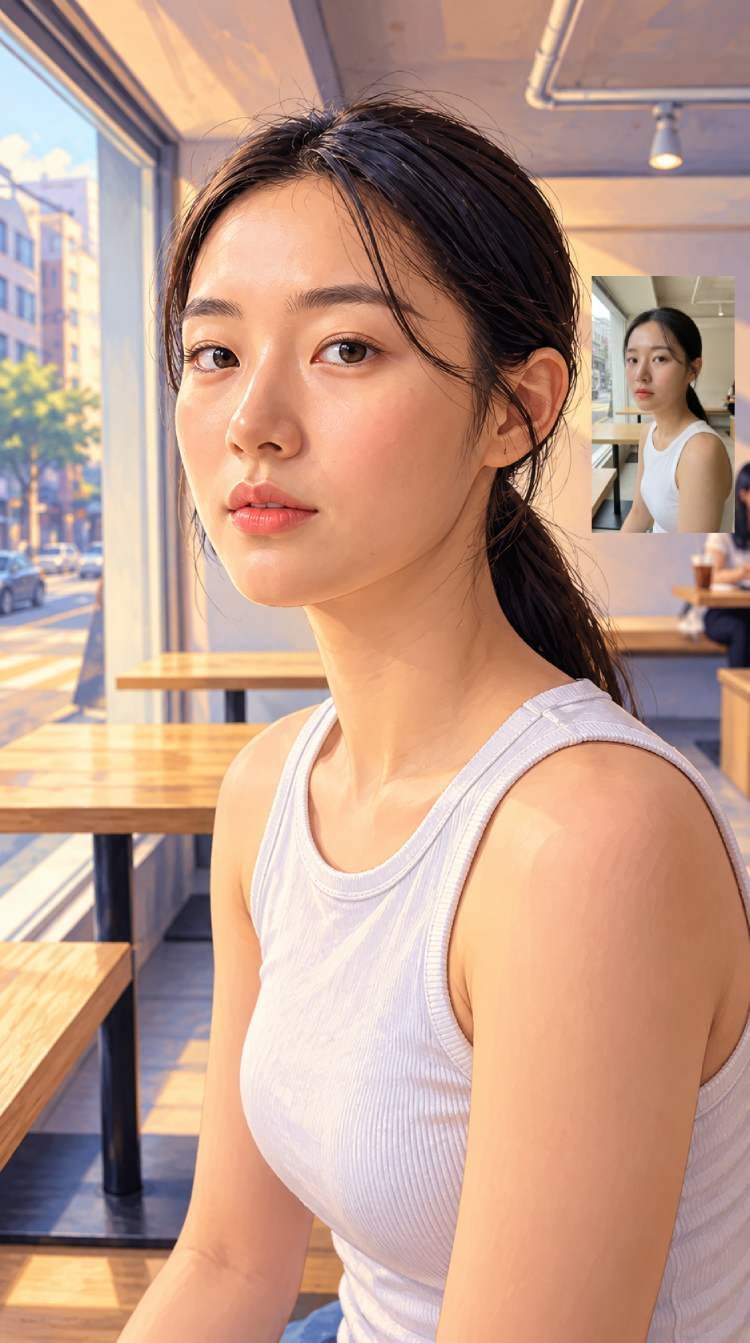
Transform the uploaded photograph into a premium, meticulously crafted 3D-informed digital painting with a distinctive semi-realistic video game concept art aesthetic.

The final image should resemble a high-end professionally art-directed game illustration, combining the dimensional solidity of sophisticated 3D modeling with the refined appearance of hand-painted digital artwork.

**IMPORTANT: Preserve the original photograph's content and composition completely. Transform ONLY its visual rendering style. Do not redesign the scene, reinterpret the subjects, or alter any original elements.**

### 1. CORE RENDERING STYLE

Create a sophisticated hybrid of dimensional 3D rendering and polished hand-painted digital illustration.

Visual characteristics:
- Sculpted three-dimensional forms with precise, recognizable silhouettes.
- Broad, connected color planes that clearly describe surface geometry.
- Crisp separation between highlights, midtones, and shadows.
- Rich, carefully balanced midtone values.
- Smooth but controlled tonal transitions.
- Subtle directional brushwork integrated into the surfaces.
- Clean, intentional edges with selective softness.
- Refined digital painting with the dimensional quality of premium video game concept art.

Every object must feel solid, deliberately constructed, and visually cohesive.

Avoid the appearance of a photograph with a simple artistic filter.

### 2. LIGHTING AND DIMENSIONAL SHADING

Build convincing volume using clearly organized illumination, midtone, and shadow regions.

Create sophisticated warm-versus-cool color relationships across the entire image.

**Warm illumination palette:**
- Luminous peach-gold.
- Soft apricot.
- Muted coral.
- Pale golden highlights.
- Warm pinkish-orange reflected light.

**Cool shadow palette:**
- Dusty periwinkle.
- Muted cyan.
- Soft lavender.
- Blue-violet.
- Desaturated indigo.

Apply these colors according to the existing lighting direction and surface orientation.

Lighting requirements:
- Large, structured highlight areas.
- Clearly defined shadow planes.
- Natural reflected light between nearby surfaces.
- Subtle transitions between warm highlights and cool shadows.
- Selective bright highlights on important edges and surfaces.
- Convincing contact shadows and dimensional separation.

Do not apply uniform color overlays. Avoid flat illumination, excessive rim lighting, artificial glow, and uncontrolled gradients.

Respect the original scene's time of day, lighting direction, and environmental atmosphere.

### 3. SUBJECT AND MATERIAL RENDERING

Preserve the recognizable identity and physical characteristics of every subject.

**Faces and skin:**
- Carefully constructed facial planes.
- Smooth dimensional transitions around the forehead, cheeks, nose, lips, and jaw.
- Natural facial proportions and recognizable expressions.
- Soft, sophisticated skin shading.
- Subtle warm highlights and cool shadow planes.
- No photographic pores or excessive microtexture.

**Hair:**
- Clearly defined hair masses.
- Sculpted locks and tapered individual strands.
- Controlled highlights that follow the hair direction.
- Natural volume and recognizable hairstyle.

**Clothing and fabrics:**
- Clearly modeled folds and fabric volumes.
- Distinct material characteristics.
- Refined highlights and shadow planes.
- Visible but controlled stitching, seams, and surface details.
- Preserve the original colors, patterns, and clothing design.

**Other materials:**
- Denim with subtle fabric structure.
- Leather with controlled soft reflections.
- Metal with precise specular highlights.
- Glass with restrained environmental reflections.
- Vehicles with clean body panels and dimensional surfaces.
- Architecture with organized geometric forms and crisp edges.

Every material should have its own visual identity without excessive photographic texture.

### 4. ENVIRONMENT AND BACKGROUND

Repaint the existing environment using simplified, dimensional geometric forms and organized tonal groups.

Preserve all original environmental elements, including:
- Buildings and architectural structures.
- Roads, sidewalks, and terrain.
- Vegetation and natural elements.
- Vehicles and transportation.
- Furniture, props, and surrounding objects.
- Background people and secondary subjects.

Use clean architectural edges, broad tonal planes, and controlled surface details.

Create natural visual depth through subtle variations in contrast, sharpness, and detail.

Foreground elements should receive the highest level of clarity and dimensional definition.

Background elements should have slightly softer edges, reduced contrast, and simplified detail while remaining recognizable and faithful to the original scene.

Do not replace the original environment with invented scenery.

### 5. COLOR ART DIRECTION

Apply a sophisticated pastel cinematic palette while preserving the original identity of important objects and materials.

Primary palette:
- Dusty periwinkle.
- Muted blue.
- Blue-violet.
- Soft lavender.
- Mauve.
- Peach.
- Coral.
- Apricot.
- Pale gold.

Color treatment:
- Luminous but restrained saturation.
- Harmonious warm-cool relationships.
- Rich but controlled midtones.
- Soft pastel reflections.
- Natural local colors adapted to the new rendering style.
- Consistent color harmony throughout foreground and background.

The palette should feel elegant, cinematic, atmospheric, and professionally art-directed.

Do not turn the entire image into a monochromatic pastel composition. Preserve recognizable original colors where necessary.

### 6. VISUAL HIERARCHY AND EDGE CONTROL

Establish a clear visual hierarchy.

- Main subjects: highest dimensionality, sharpness, and detail.
- Important foreground objects: crisp forms and clearly separated surfaces.
- Secondary subjects: simplified but recognizable.
- Background: softer edges, lower contrast, and fewer details.

Use a deliberate combination of hard and soft edges.

Maintain clean silhouettes, strong form separation, and consistent rendering quality across the entire image.

Avoid excessive sharpness everywhere or uniformly blurred surfaces.

### 7. STRICT IMAGE PRESERVATION

This is a rendering-style transformation, not a scene-generation task.

Preserve exactly:
- Original subject identity and facial features.
- Number of people and all subjects.
- Body anatomy, proportions, and poses.
- Facial expressions and gaze direction.
- Hairstyles and clothing.
- Accessories and personal belongings.
- All visible objects and their original designs.
- Object positions and spatial relationships.
- Original architecture and environment.
- Vehicle shapes and positions.
- Camera angle and perspective.
- Original framing and image aspect ratio.
- Overall composition and visual storytelling.

Do not invent, remove, duplicate, replace, reposition, or redesign any original element.

If an area is unclear, interpret it conservatively based on the visible reference rather than introducing new details.

### 8. FINAL IMAGE QUALITY

Premium semi-realistic video game concept art.
3D-informed hand-painted digital illustration.
Sophisticated pastel cinematic color grading.
Strong dimensional form construction.
Crisp planar shading.
Smooth controlled gradients.
Refined directional brushwork.
Clean silhouettes and precise edges.
Beautifully balanced warm and cool lighting.
Professional concept art finish.
High-resolution, polished digital painting.

The final result should look like a beautifully rendered frame from a premium stylized video game, with the visual richness of professional concept art.

### NEGATIVE PROMPT

Photographic filter, photorealistic finish, anime, manga, cartoon, flat vector art, cel shading, thick black outlines, plastic CGI, generic Instagram filter, excessive saturation, neon colors, muddy color blending, excessive gradients, flat lighting, excessive rim lights, artificial glow, messy brushstrokes, sketchy drawing, excessive grain, photographic skin pores, oversharpening, excessive blur, distorted faces, altered identity, changed expression, incorrect anatomy, extra fingers, missing limbs, redesigned clothing, changed accessories, missing objects, duplicated subjects, invented scenery, altered architecture, changed vehicle designs, incorrect perspective, changed camera angle, modified composition, text, logos, watermarks, borders, graphic overlays.

**FINAL INSTRUCTION: Apply the same sophisticated 3D-informed pastel digital painting technique consistently to the entire uploaded photograph. Preserve the original scene exactly. Change the rendering, never the content.**
Salin prompt di atas.
Buka ChatGPT. Kalau punya foto produk atau foto model, lampirkan dulu.
Ganti bagian yang berwarna kuning dengan data usahamu, lalu kirim.
Pilih rasio 9:16 saat membuat gambar agar hasilnya sesuai.